

ChatGPT to Introduce Sponsored Ads for Users
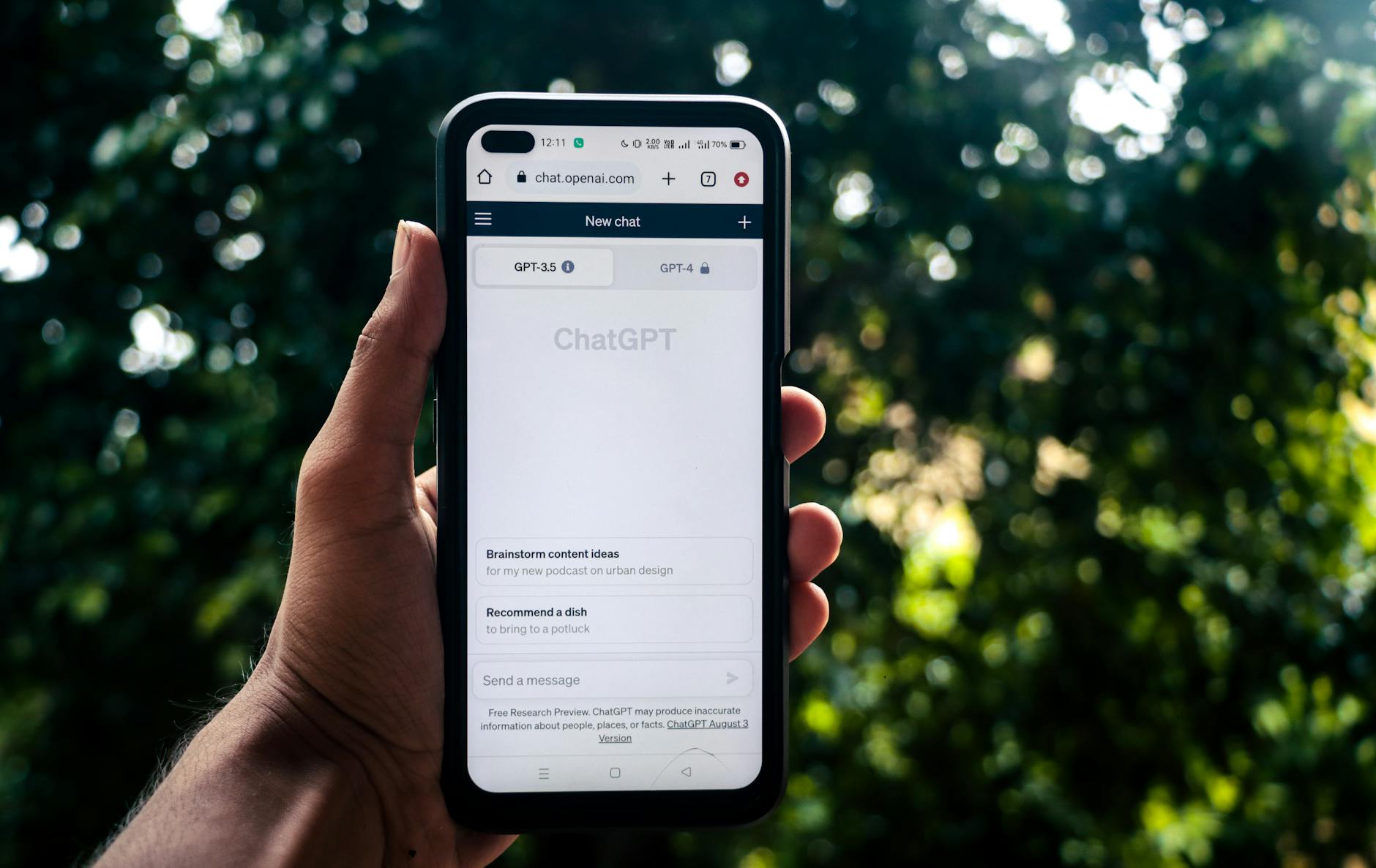
OpenAI, the company behind the popular AI chatbot ChatGPT, has announced a significant change in its operational model: the introduction of advertisements within the app. This new feature will specifically target users who access ChatGPT for free or through a subscription plan known as ChatGPT Go, which costs $8 per month. The ads will be clearly labeled and will appear at the bottom of the chat interface, marking a pivotal shift in how the platform functions and interacts with its users.
The decision to incorporate ads into ChatGPT comes as OpenAI seeks to expand its user base and provide access to more people without imposing excessive limitations on usage. Users who subscribe to higher-tier plans-ChatGPT Plus, Pro, or Enterprise-will be exempt from seeing these advertisements, allowing them to enjoy an ad-free experience. This strategic move is part of OpenAI's broader plan to monetize its services while still ensuring that users receive a helpful and optimized experience.
In a statement addressing the concerns of users, OpenAI reassured the community that their conversations will remain private and that advertisers will not have access to any personal data. The company emphasized its commitment to user privacy, stating that it will not sell user data to advertisers and that the content of users' chats will not be influenced by the ads. This commitment to privacy is crucial, especially in an era where data breaches and privacy concerns are rampant. OpenAI's leadership, including ChatGPT's head, Nick Turley, has previously highlighted the importance of approaching advertising thoughtfully and tastefully, ensuring that it does not detract from the user experience.
To further enhance user control over their ad experience, OpenAI has implemented features that allow individuals to opt out of personalized ads, clear the data used for advertisements, and provide feedback on the ads they encounter. This level of user agency is becoming increasingly important in a digital landscape where consumers are often inundated with targeted advertising. Moreover, the platform will ensure that users under the age of 18 will not see any advertisements, reflecting OpenAI's commitment to protecting younger audiences. The ads will also be carefully moderated to avoid appearing next to sensitive topics such as health, mental health, or politics, which underscores OpenAI's dedication to user safety and comfort.
The introduction of ads represents a new chapter for ChatGPT, which has rapidly gained popularity since its launch. The chatbot has become a valuable tool for users seeking assistance in various tasks, ranging from simple inquiries to complex problem-solving. As more individuals turn to AI for help, the demand for sustainable revenue models has become increasingly important. OpenAI's plan to roll out ads is viewed as a way to balance user accessibility with the financial viability of maintaining and improving the service.
The ChatGPT Go subscription is set to expand in the U.S., providing even more users with access to the platform while simultaneously introducing them to this new advertising feature. OpenAI aims to create an environment where users can enjoy the benefits of AI without facing significant restrictions on usage, a promise that will be scrutinized as the advertising model takes shape. The company is navigating a delicate balance between monetization and user satisfaction, a challenge that many tech firms face in today's competitive landscape.
As OpenAI introduces this new advertising element, it is not merely seeking to generate revenue; it also aims to enhance the overall user experience. By potentially offering relevant shopping links and services tailored to users' conversations, OpenAI hopes to create a more integrated and useful platform. This approach aligns with a broader trend in the tech industry, where companies are increasingly looking to monetize their offerings while still delivering value to users. The success of this initiative will ultimately depend on how well OpenAI can integrate ads into the user experience without compromising the quality of interactions.
The testing phase for this advertising model will be closely observed by both users and industry analysts. The responses from users will provide valuable insights into the effectiveness of the new ads and whether they enhance or detract from the overall ChatGPT experience. Feedback from the community will play a critical role in shaping the future of this initiative, as OpenAI seeks to refine its approach based on user preferences and concerns.
This decision to introduce ads is not just about increasing revenue; it is also about adapting to the changing landscape of technology and user expectations. As more users rely on AI for various tasks, the need for sustainable funding models becomes apparent. OpenAI's move to monetize through ads could set a precedent for other AI-driven platforms, highlighting the need for a balance between profitability and user satisfaction. The company's approach may serve as a case study for how AI services can evolve in a competitive market while still prioritizing user experience and privacy. As this initiative unfolds, it will be crucial for OpenAI to maintain transparency and engage with its user base to ensure that the introduction of ads is a positive enhancement rather than a disruptive change.